How is it Possible for Ski Jumpers to Stay in the Air so Long? The Science Behind Their Incredible Flights
How is it Possible for Ski Jumpers to Stay in the Air so Long

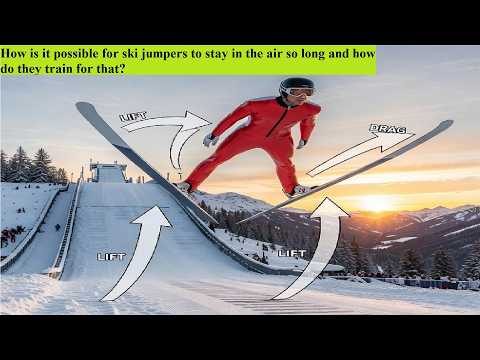
Ski jumping is one of the most exciting and breathtaking winter sports in the world. Watching athletes launch themselves off a steep ramp and glide through the air for what seems like an eternity often leaves spectators amazed. Many people ask the same question: How is it Possible for Ski Jumpers to Stay in the Air so Long? The answer lies in a fascinating combination of physics, technique, equipment, and years of training.
At first glance, ski jumpers appear to be defying gravity. They soar high above the snow-covered landscape, covering incredible distances before landing smoothly. However, there is no magic involved. Understanding How is it Possible for Ski Jumpers to Stay in the Air so Long requires a closer look at the science behind the sport.
The Role of Speed in Ski Jumping
One of the key reasons How is it Possible for Ski Jumpers to Stay in the Air so Long is because ski jumpers begin their flight with tremendous speed. Before takeoff, athletes race down a specially designed ramp called the inrun. During this descent, they can reach speeds of up to 90 kilometers per hour or more.
This speed generates momentum, which helps carry them forward after leaving the edge of the ramp. The faster the skier travels, the more energy they have to convert into a long and stable flight. Without this speed, ski jumpers would quickly fall to the ground.
Understanding Lift and Aerodynamics
To truly answer How is it Possible for Ski Jumpers to Stay in the Air so Long, we must discuss aerodynamics. Aerodynamics is the study of how air moves around objects.
When ski jumpers leave the ramp, air flows over and under their bodies and skis. By positioning themselves correctly, they create lift, which is the upward force that helps keep them airborne. This is similar to how an airplane wing generates lift.
Modern ski jumpers use a V-style position, where the tips of their skis are spread apart while the tails remain closer together. This technique increases the surface area exposed to the air, creating more lift and allowing them to stay in the air longer.
The Importance of Body Position
Another reason How is it Possible for Ski Jumpers to Stay in the Air so Long is the precise body position athletes maintain during flight. Ski jumpers lean forward and keep their bodies almost parallel to their skis.
This streamlined posture minimizes air resistance, also known as drag. Less drag means the jumper loses speed more slowly, allowing for a longer flight.
Even a small adjustment in body position can significantly impact performance. Professional ski jumpers spend countless hours perfecting their posture because every detail matters when trying to maximize airtime and distance.
Specially Designed Skis
Equipment also plays a major role in explaining How is it Possible for Ski Jumpers to Stay in the Air so Long. Ski jumping skis are much longer and wider than regular downhill skis.
The larger surface area helps generate additional lift during flight. These skis essentially act like wings, allowing the athlete to glide more efficiently through the air.
The design of the skis is carefully regulated to ensure fairness and safety. Engineers and sports scientists continuously study equipment improvements to help athletes perform at their best while maintaining competition standards.
The Shape of the Jumping Hill
The structure of the ski jumping hill is another important factor when discussing How is it Possible for Ski Jumpers to Stay in the Air so Long.
The hill is not simply a steep slope. It is specifically engineered to support long flights. The takeoff ramp launches athletes at an optimal angle, while the landing area follows a curved profile that matches the jumper’s flight path.
Because of this design, athletes can remain airborne for several seconds while traveling impressive distances. Modern ski jumping hills are masterpieces of engineering that enhance both performance and safety.
The Influence of Wind Conditions
Weather conditions significantly affect ski jumping performance. When people ask How is it Possible for Ski Jumpers to Stay in the Air so Long, wind is often part of the answer.
A gentle headwind can increase lift and help jumpers stay airborne longer. The wind pushes against the jumper and skis, creating additional support during flight.
However, strong or unpredictable winds can be dangerous. Competition officials carefully monitor wind conditions and adjust scoring systems to account for weather-related advantages or disadvantages.
Years of Training and Skill Development
Physical skill is another major factor behind How is it Possible for Ski Jumpers to Stay in the Air so Long. Ski jumping is not simply about being fearless. Athletes train for years to develop strength, balance, coordination, and technique.
Jumpers practice takeoff timing, body control, and landing mechanics repeatedly. Every movement must be executed with precision. The slightest mistake can reduce flight distance or even lead to a fall.
Elite ski jumpers also work with coaches, sports scientists, and nutritionists to optimize every aspect of their performance.
The Mental Side of Ski Jumping
Mental preparation is often overlooked when discussing How is it Possible for Ski Jumpers to Stay in the Air so Long. Flying through the air at high speeds requires extraordinary concentration and confidence.
Athletes must remain calm under pressure and trust their training. Fear or hesitation can negatively affect takeoff and flight position. Many ski jumpers use visualization techniques to mentally rehearse successful jumps before competitions.
This psychological preparation helps them perform consistently and safely in challenging conditions.
Records That Showcase Human Achievement
The remarkable distances achieved in ski jumping continue to amaze sports fans worldwide. Some athletes have flown more than 250 meters in ski flying events, a specialized version of ski jumping conducted on larger hills.
These extraordinary performances further highlight How is it Possible for Ski Jumpers to Stay in the Air so Long. They demonstrate the incredible combination of science, technology, athleticism, and skill involved in the sport.
As equipment and training methods continue to improve, future athletes may push these limits even further.
Conclusion
So, How is it Possible for Ski Jumpers to Stay in the Air so Long? The answer lies in a perfect blend of speed, aerodynamics, body positioning, specialized equipment, hill design, favorable wind conditions, and years of dedicated training.
What appears to be effortless flight is actually the result of advanced physics and exceptional athletic ability. The next time you watch a ski jumper soar gracefully through the air, you’ll understand that every second of flight is supported by science and skill working together.
The question How is it Possible for Ski Jumpers to Stay in the Air so Long continues to fascinate sports fans, and the answer reveals just how remarkable these athletes truly are. Their ability to harness speed, lift, and precision makes ski jumping one of the most spectacular events in winter sports.